Transforming Challenges into Solutions
Imagine a bustling manufacturing floor, where the demands for efficiency and quality are at an all-time high. In 2022 alone, the global industrial robotics market was valued at over $40 billion, with collaborative solutions rising significantly amidst these figures. How can a collaborative welding robot fit into this scene? The answer lies not just in the technology itself but in the intricacies of traditional welding processes that often leave manufacturers struggling.
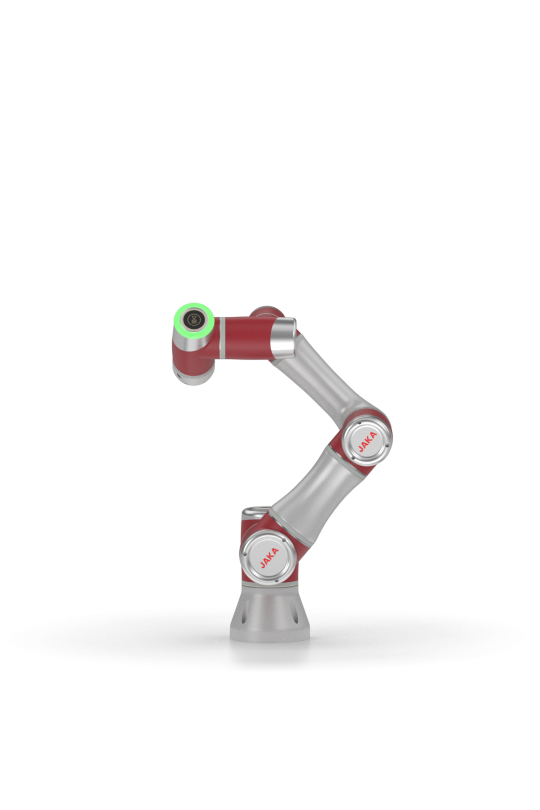
I vividly recall discussions with industry peers citing the frustrations of manual welding: unpredictable output, safety hazards, and the constant need for skilled labor—all of which create hidden user pain points. While traditional solutions have served us well, the gaps they leave behind are glaring. With insights drawn from both personal experience and industry data, it’s clear that the adoption of collaborative welding robots must be more than just an evolution in equipment; it must be a strategic shift towards resolving long-standing operational flaws.
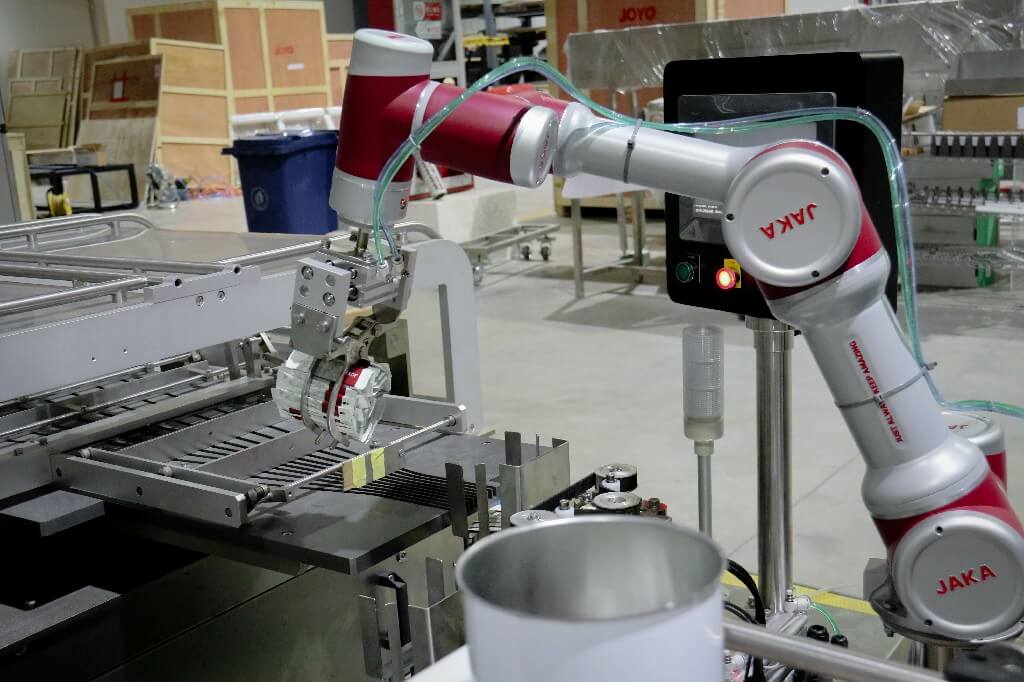
What Benefits Do Collaborative Welding Robots Bring?
One of the most compelling features of the collaborative welding robot is its ability to adapt to varying tasks without the need for extensive reprogramming. This flexibility means manufacturers can pivot quickly as project demands change—it’s like having a Swiss Army knife at your fingertips! I often hear clients express relief when they realize they don’t have to invest in a new robot for every new task. It’s a forward-thinking approach that prioritizes adaptability in a fast-paced environment.
However, what stands out to me is not just this inherent flexibility, but the safety features integrated into these robots. Unlike traditional welding equipment, which poses significant risks to operators, collaborative welding robots use advanced sensors to detect human presence. This technology is groundbreaking; it means fewer workplace accidents, which directly impacts productivity. The ROI here is not just financial; it’s about fostering a safer working environment—something we all consider invaluable.
Future Projections in Welding Automation
As we look ahead, the role of collaborative welding robots will undoubtedly expand. Manufacturers are already beginning to recognize their potential in reducing operational costs while enhancing productivity. The ability to work alongside humans—rather than replace them—sets the stage for an entirely new paradigm in industrial processes. I have seen firsthand in workshops that rely heavily on both human labor and robotic solutions how the two can truly coexist.
But where does this lead us? As collaborative welding robots continue to advance, we will witness more sophisticated capabilities—think machine learning that allows these robots to improve over time through experience. This potential transformation is enormous, turning what was once a simple tool into an integral partner in manufacturing. And while we already recognize challenges in implementation, the long-term benefits outweigh these initial hurdles. Waste reduction, better resource management, and increased worker satisfaction are just the tip of the iceberg.
What’s on the Horizon for Welding Technologies?
Considering the landscape today, it’s clear that manufacturers must assess their needs with an eye towards the future. For anyone looking into upgrading their welding processes, I suggest focusing on three crucial evaluation metrics: adaptability, safety features, and the capability for future integration. These aspects can make or break your investment when choosing between conventional machines and the innovative collaborative welding robot.
In conclusion, it is not merely about adopting new technology; it’s about embracing a revolution in how we conceive what work can be. The collaborative welding robot symbolizes a movement away from tedious, hazardous tasks toward a future where human ingenuity and robotic efficiency merge seamlessly. As we step forward into this exciting landscape, I encourage manufacturers to think strategically, grounding their decisions in the realities of today while aspiring to the innovations of tomorrow.
With companies like JAKA leading the charge, the horizon is bright for those willing to embrace this journey into the future of welding. After all, we’re not just welding metal; we’re building a smarter, safer world.